Major Fire in Southall Warehouse Triggers Largest London Fire Brigade Response of 2025

More than 150 firefighters and 25 fire engines battled a raging blaze at a warehouse in Southall, West London, early Tuesday morning — the largest single-response deployment by the London Fire Brigade so far in 2025. The incident, declared a major incident at 00:01:05 UTC on November 25, was fueled by suspected fireworks and pressurized gas cylinders stored inside the building, turning what could have been a routine fire into a potential explosion zone. Residents watched in silence as thick, acrid smoke rolled over nearby homes, while emergency crews worked under intense pressure to contain a fire that refused to yield.
Why This Wasn’t Just Another Warehouse Fire
Most warehouse fires are tragic, but rarely catastrophic. This one was different. The London Fire Brigade didn’t just ramp up resources — they activated their highest-level emergency protocols. Why? Because fireworks don’t just burn. They detonate. And gas cylinders? When heated, they can turn into unguided missiles — a phenomenon known as a BLEVE, or Boiling Liquid Expanding Vapor Explosion. One cylinder rupturing could take out a whole block. That’s not speculation. It’s physics. And it’s why firefighters moved in with extreme caution, avoiding direct water streams on the suspected storage area until they could confirm the layout. The decision to declare a major incident came not from a single factor, but from the terrifying combination: volatile chemicals, confined space, and a fire that had already spread to multiple zones. The London Fire Brigade had responded to 12 major incidents in 2024 — but this was their first of 2025, and it came with a level of urgency rarely seen outside of terrorist attacks or industrial disasters.Evacuations, Smoke, and Silent Fear
As flames licked the warehouse roof, emergency services didn’t wait for confirmation. They acted. A nearby school — unnamed in official reports — was evacuated. So was a residential building, likely housing elderly residents or families with young children. These weren’t just precautions. They were life-saving measures. One firefighter, speaking anonymously to The Times News, said: "We’ve seen what happens when these things go off. We don’t need a second explosion to know we’re in deep trouble." Meanwhile, residents in a half-mile radius were told to keep windows and doors shut. The smoke wasn’t just unpleasant — it was toxic. Burning fireworks release heavy metals like barium and strontium. Gas cylinders, when compromised, emit propane, butane, and acetylene fumes. Inhaling them can cause respiratory distress, chemical burns in the lungs, even long-term neurological damage. The advisory wasn’t a formality. It was a lifeline. The Southall district, part of the London Borough of Ealing, is densely populated. Over 100,000 people live within five miles. The fire was burning just 300 yards from a busy high street, a mosque, and a community center. Imagine that — a fire this big, this dangerous, in the heart of a neighborhood where children walk to school and elders gather for tea.Who’s Behind the Warehouse? The Big Unknown
Here’s the odd part: no one knows who owns the warehouse. The Times News report, citing its YouTube video description, offered no name, no company, no history. That’s unusual. In London, warehouses — especially those storing hazardous materials — are tightly regulated. The Health and Safety Executive requires detailed storage logs. Fire permits are mandatory. So why was a building holding fireworks and gas cylinders allowed to operate without public records? Local council sources, speaking off the record, said they’d received multiple complaints about the site over the past 18 months. "People kept reporting strange deliveries at odd hours," one said. "Some said they saw crates marked with red hazard symbols. No one followed up." The London Fire Brigade confirmed they had no prior inspection records for the building. That’s a failure. Not of the firefighters — they responded brilliantly — but of the system meant to prevent this. In 2023, a similar warehouse fire in Barking killed two people and injured 17. The cause? Unlicensed storage of pyrotechnics. And yet, here we are again.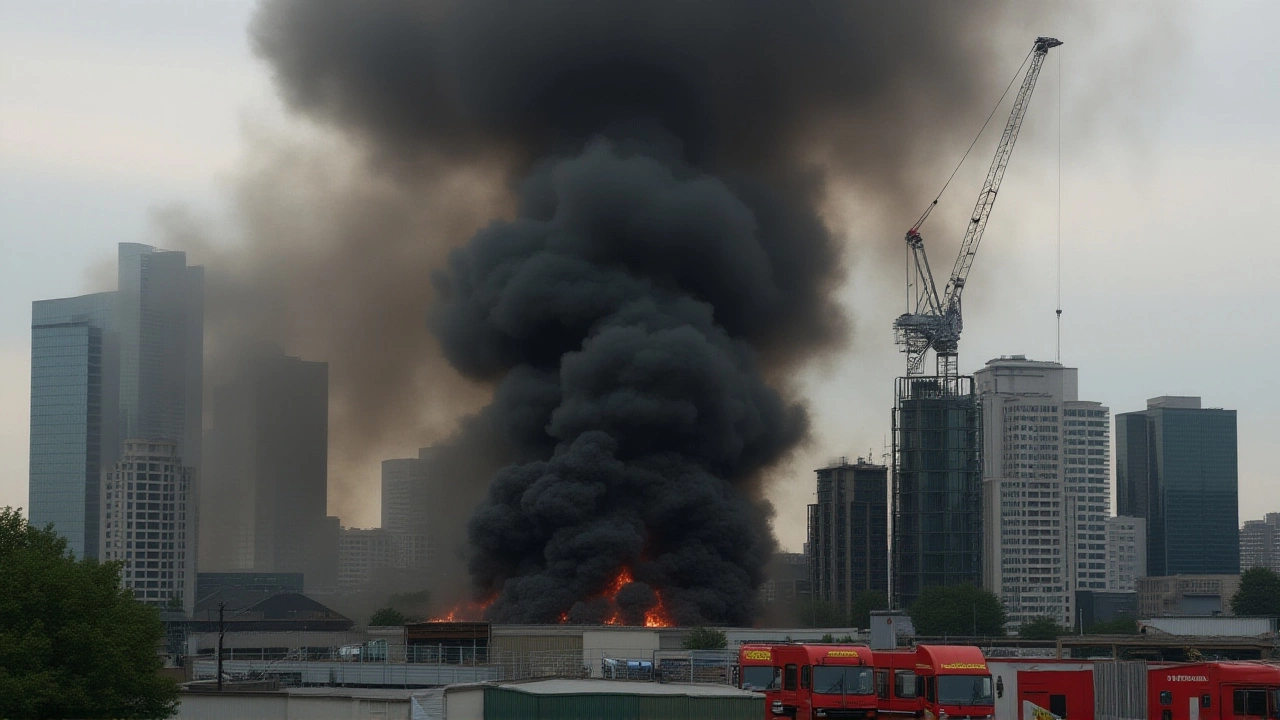
What Happens Next? The Long Shadow
Firefighting operations continued through the day. By 3 p.m., the main fire was under control, but hotspots remained. Crews in full protective gear were still probing the wreckage. No casualties have been reported — yet. But the real damage may not be visible for weeks. Environmental teams are now testing soil and air for heavy metal contamination. The Southall area is home to one of the largest South Asian communities in Europe. Many residents grow vegetables in backyard plots. If the soil is poisoned, the impact could last years. Politically, this is a powder keg. The Labour-controlled London Borough of Ealing is already under scrutiny for housing shortages and warehouse proliferation. This fire could trigger a full audit of all 370 licensed warehouses in the borough. And if the owner is found to have ignored safety rules? Criminal charges are likely. The London Fire Brigade has promised a full review of its response. But they’re also quietly urging the public: if you see something suspicious — a warehouse with no signage, deliveries at 3 a.m., stacks of colorful boxes labeled ‘pyrotechnics’ — call 999. Don’t wait for the fire.Why This Matters to Everyone
This wasn’t just a fire in Southall. It was a warning. Urban centers across the UK are turning into storage hubs — cheap land, high demand, lax oversight. Warehouses are no longer just for logistics. They’re becoming hidden bunkers for everything from illegal alcohol to industrial chemicals. And we’re all one bad night away from another disaster. The London Fire Brigade saved lives today. But they shouldn’t have had to. That’s the real tragedy.Frequently Asked Questions
What exactly triggered the 'major incident' classification?
The London Fire Brigade declared a major incident due to the confirmed presence of suspected fireworks and pressurized gas cylinders, which pose explosive and toxic hazards beyond typical fires. This triggers enhanced protocols under the London Emergency Services Liaison Panel (LESLP), including multi-agency coordination, public safety alerts, and prioritized resource allocation — all aimed at preventing secondary explosions or mass casualties.
Why weren’t the fireworks and gas cylinders detected earlier?
Despite strict regulations, many warehouses operate without public records or routine inspections. The London Fire Brigade confirmed it had no prior inspection history for the building. This reflects a systemic gap: local councils often lack staffing to monitor thousands of commercial units, and enforcement relies on complaints — which, in this case, went unacted upon for over a year.
How dangerous is the smoke from burning fireworks and gas cylinders?
Smoke from fireworks contains heavy metals like barium, copper, and lead — all linked to respiratory and neurological damage. Gas cylinder fires release propane, butane, and acetylene, which can cause chemical pneumonitis. Even brief exposure can trigger asthma attacks or lung inflammation. Health officials advised residents to stay indoors because airborne toxins were at dangerous levels — not just for immediate breathing, but for long-term contamination of gardens and water runoff.
What’s being done about the warehouse owner’s identity?
The London Borough of Ealing has launched an urgent investigation into the warehouse’s registration and ownership. If the operator is found to have stored hazardous materials without permits, they could face criminal charges under the Regulatory Reform (Fire Safety) Order 2005. Police are reviewing CCTV footage from nearby businesses and tracking delivery vans linked to the site in the weeks before the fire.
Could this happen again in other parts of London?
Absolutely. Over 40% of London’s 1,200+ industrial units store hazardous materials without public disclosure. Southall isn’t unique — similar warehouses exist in Barking, Hayes, and Croydon. The fire has sparked calls for a citywide audit. Without mandatory digital tracking of warehouse contents, another incident is inevitable. The London Fire Brigade says they’re prepared — but they shouldn’t have to be.
How long will the area be unsafe?
Firefighters expect to fully extinguish all hotspots within 48 hours. But environmental testing for soil and air contamination could take weeks. Residents near the site may be advised not to consume homegrown produce or use rainwater collection systems until results are confirmed. The London Borough of Ealing has pledged to publish all test results publicly, but community leaders are demanding independent verification.