Maro Itoje and Tom Curry named in World Rugby Team of the Year as South Africa dominates
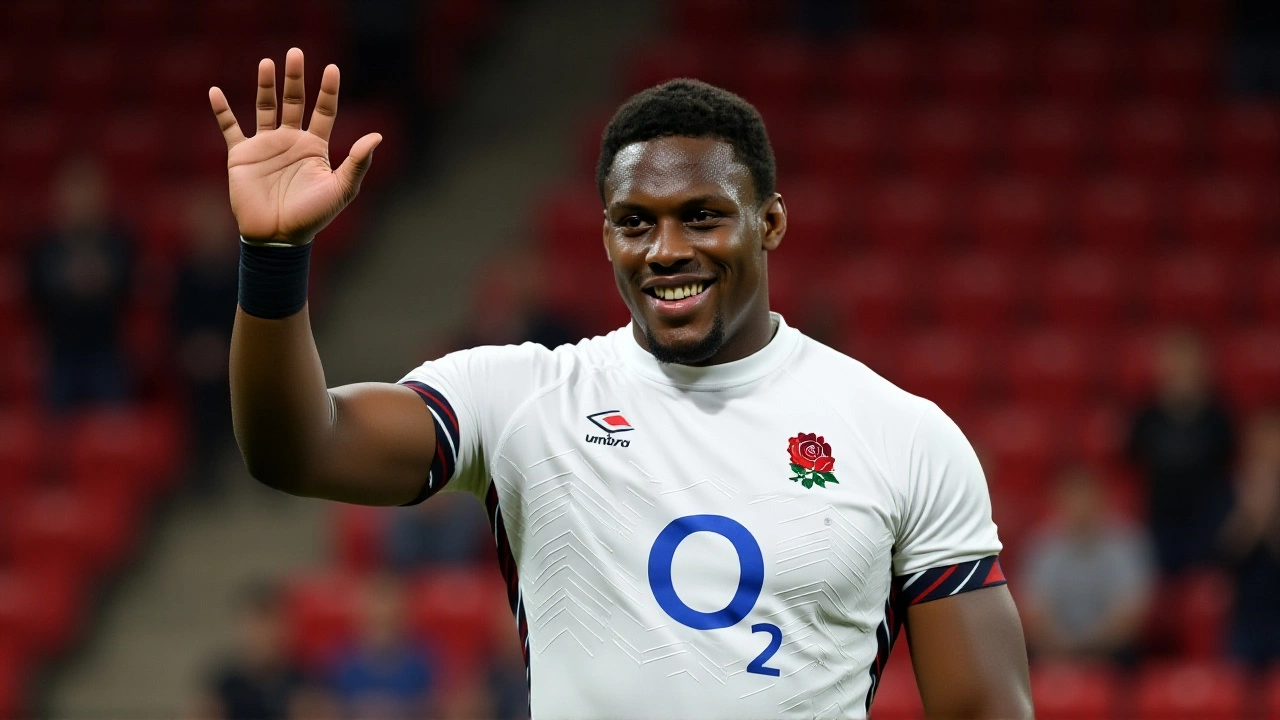
On November 28, 2025, World Rugby unveiled its 2025 Men’s 15s Team of the Year — and the headlines weren’t just about England’s Maro Itoje and Tom Curry. They were about dominance. Six of the 15 spots went to players from South Africa, the reigning world champions, while just two went to England — despite the Six Nations ChampionshipEngland being crowned champions earlier that year. The twist? The team’s composition felt less like a reward for consistency and more like a statement: South Africa doesn’t just win tournaments — they own the game.
South Africa’s Quiet Takeover
It wasn’t just quantity. It was quality. Malcolm Marx, South Africa’s hooker, was named World Rugby Men’s 15s Player of the Year — a recognition that came after a season where he anchored the Springboks’ scrum through brutal wins over Ireland and New Zealand. His presence on the team wasn’t surprising. But the fact that six Springboks made the cut — including Pieter-Steph du Toit, Thomas du Toit, Ox Nché, Cheslin Kolbe, Sacha Feinberg-Mngomezulu, and Marx — was staggering. The last time a single nation claimed six spots? 2023, right after their World Cup win. Now, it’s 2025. And they’re doing it again.
Meanwhile, New Zealand, traditionally the powerhouse, had only two representatives: scrum-half Cam Roigard and fullback Will Jordan. Their absence in the back row and midfield spoke volumes. After losses to Argentina and Ireland in the autumn, the All Blacks looked fragmented. The selection panel clearly rewarded form over reputation.
England’s Dual Representation — And the Unspoken Shadow
For Maro Itoje, 30, and Tom Curry, 26, this was a career highlight. Itoje captained the British and Irish LionsAustralia to a 2-1 series win — a rare triumph in the modern era. Curry, meanwhile, was a relentless force in the back row, his turnover stats among the best in the world.
But here’s the thing: the Independent noted on November 28 that Curry’s selection came “amid bullying allegations.” No details. No charges. No investigation cited. Just a single sentence tucked into the report. It’s odd. It’s unsettling. And it lingers. Why mention it at all if not to hint at something? The England Rugby union has not responded publicly. The World Rugby statement didn’t acknowledge it. But in sports journalism, silence often speaks louder than words.

The Women’s Side: England’s Triumph, Canada’s Heartbreak
While the men’s team made headlines, the women’s awards told a different story — one of redemption. On August 17, 2025, at Twickenham Stadium, the England Red Roses crushed Canada 33-13 to win the Women’s Rugby World CupLondon. It was their first title since 2014. Head coach John Mitchell was named World Rugby Coach of the Year. And Sophie de Goede, the Canadian flanker who carried her team to the final, took home Women’s 15s Player of the Year — a rare honor for a runner-up. It’s a reminder: excellence isn’t always crowned with gold.
What’s Next? Monaco, and the Long Shadow of Consistency
The official awards ceremony will be held on December 15, 2025, in Monaco, continuing a tradition that began in 2001. But beyond the glitz, the real story is the shift in rugby’s power structure. South Africa isn’t just winning — they’re redefining what it means to dominate. Their physicality, their discipline, their depth — it’s now the benchmark. England, meanwhile, are caught between brilliance and inconsistency. They won the Six Nations, but lost to Wales and France in November. Itoje and Curry made the team because they stood out. But are they the exception — or the beginning of a new era?

Behind the Selection: How the Team Is Chosen
World Rugby’s selection panel includes 50 global media members and 15 former international players. They evaluate performances across the Six Nations Championship, the Rugby Championship, and the end-of-year internationals. Criteria? On-field performance, leadership, and sportsmanship — per Regulation 21, Section 4.2, last updated January 1, 2024. No votes from coaches. No influence from national unions. Just cold, hard analysis of what happened on the pitch.
That’s why Sacha Feinberg-Mngomezulu, 23, made the team. He wasn’t a household name in 2024. But in 2025, he stepped into the fly-half role vacated by Handré Pollard and delivered. Three match-winning kicks. Two try assists. A calm head under pressure. He’s the future — and the panel saw it.
Frequently Asked Questions
Why did South Africa have so many players on the Team of the Year?
South Africa’s six selections reflect their dominance across the 2025 season: they won the Rugby Championship, defeated Ireland and New Zealand in November, and played with unmatched physicality and tactical discipline. Their depth — from scrum to backline — outperformed every other nation. World Rugby’s panel rewards consistency and impact, and the Springboks delivered both.
What does Tom Curry’s inclusion amid bullying allegations mean?
No formal allegations, charges, or investigations have been made public. The Independent’s brief mention appears to be a contextual footnote, not an accusation. World Rugby has not commented, and Curry has not responded. Until more information surfaces, his selection stands on his on-field performance — a strong case built on turnovers, work rate, and leadership in the Lions series.
How did England’s Six Nations win affect their representation?
England’s Six Nations title boosted Itoje’s profile as captain, but the team’s autumn losses to Wales and France weakened their overall case. Only Itoje and Curry stood out consistently across all matches. Other English players, like Owen Farrell and Ben Youngs, had inconsistent seasons. The selection panel prioritized year-round performance, not just one tournament.
Why is Malcolm Marx Player of the Year over more famous players?
Marx didn’t score tries or make flashy breaks — he controlled the game from the front. His scrum dominance, lineout precision, and relentless work rate in the Springboks’ bruising wins over Ireland and New Zealand were pivotal. In an era where set-pieces win championships, Marx was the engine. His award reflects a shift in how rugby values leadership behind the scenes.
What does this mean for the 2027 Rugby World Cup?
South Africa is now the clear favorite. Their core — Marx, the du Toits, Kolbe, Feinberg-Mngomezulu — is young, experienced, and hungry. England’s aging core, including Itoje, may not be in peak form by 2027. New Zealand’s rebuild is still underway. The next World Cup could be a coronation for South Africa’s golden generation — if they stay healthy.
How does the Women’s Team of the Year compare to the men’s?
The women’s awards were more evenly distributed. England’s win was historic, but Canada’s Sophie de Goede earned Player of the Year despite losing the final — a sign that individual brilliance is recognized even in defeat. Unlike the men’s team, which skewed heavily toward South Africa, the women’s selection reflected broader global competitiveness, with players from England, Canada, New Zealand, and France all honored.